STRATEGIES FOR ENHANCING WORK MOTIVATION OF GENERATION Z NURSE: NURSING LEADERSHIP ROLE
Keywords:
Generation Z Nurses, Maslow’s Hierarchy of Needs, Motivation Strategies, Nursing Leadership, Healthcare ManagementAbstract
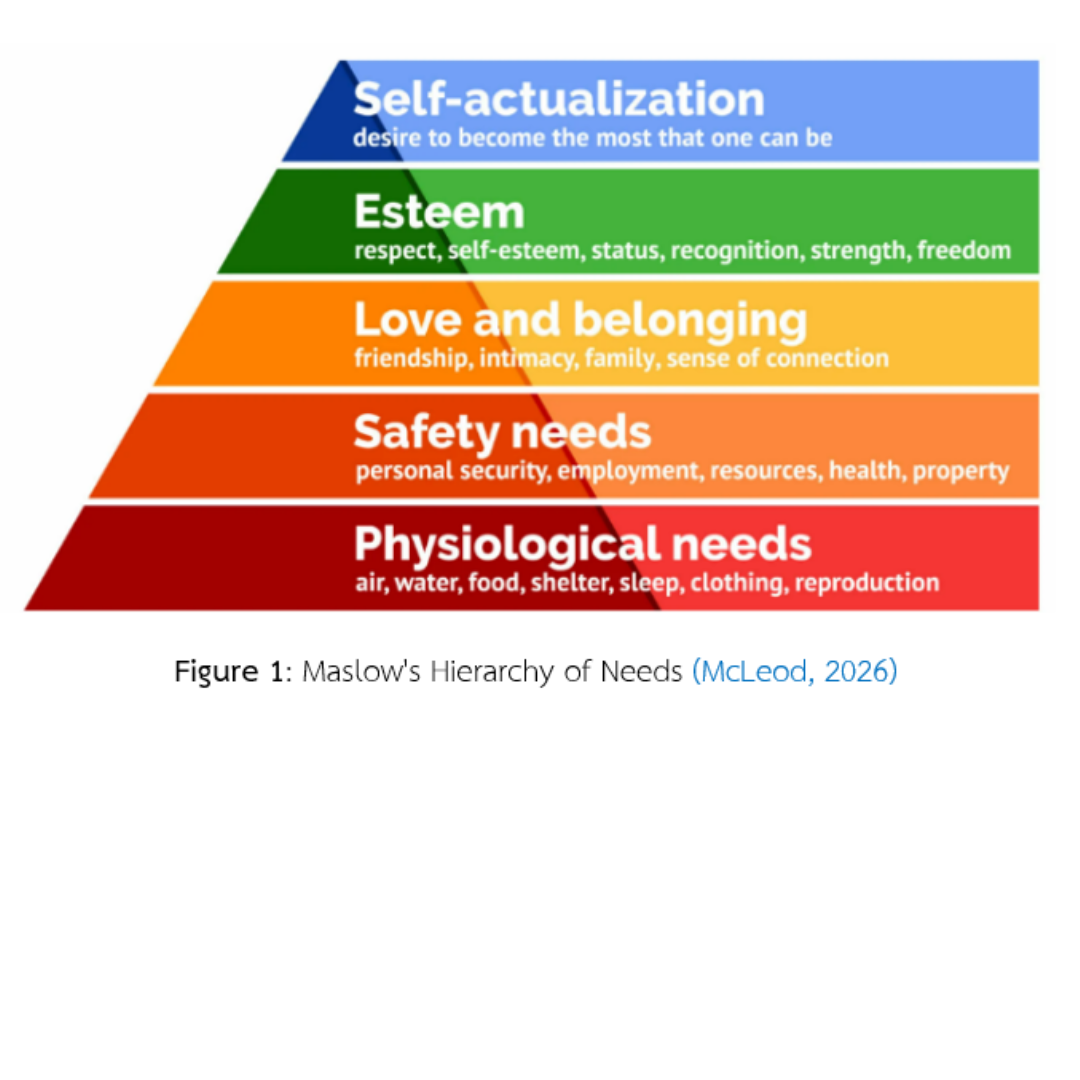
Professional nurses constitute a vital segment of the healthcare workforce, accounting for approximately 78.0% of all public health personnel. As frontline providers of direct patient care, their performance significantly influences service quality, organizational success, and survival. Currently, the healthcare system is welcoming a new wave of professionals known as Generation Z nurses (born since 1997). Raised in an era of rapid technological advancement, this cohort faces unique challenges regarding adaptation, heavy workloads, and the need for resilience to achieve professional goals. Therefore, formulating effective motivation strategies is crucial. This academic article aims to analyze strategies for enhancing the motivation of Generation Z nurses, grounded in Maslow’s Hierarchy of Needs and leadership concepts. Based on a review of the literature, this paper proposes practical strategies that integrate Maslow’s theory with the role of nursing leaders. These insights serve as a guideline for nursing administration to effectively manage personnel and foster a motivated workforce within healthcare organizations.
References
Al-Moteri M. et al. (2025). The workplace expectations and preferences of Gen Z nurses: Exploratory factor analysis. BMC Nursing, 24, 1121.
Amornrojanavaravutti W. & Norrasan S. (2025). The Role of Modern Nurse Leadership in Advancing Non-Profit Professional Organizations Through Academic Networks and Innovation. Journal of Health Promotion Centre 7 Khon Kaen, 17(2), 1–12.
Baptista J. et al. (2021). Analysis of the theory of acquired needs from McClelland as a means of work satisfaction. Timor-Leste Journal of Business and Management, 3(2), 54–59. https://doi.org/10.51703/bm.v3i2.48
Barnard, C. I. (1966). The function of the executive. Cambridge, Massachusetts: Harvard University Press.
Barsala S. & Parncharoen C. (2024). Work-Life Balance Affecting the Well-Being in Modern Organizations of Working-Age Gen Z In Bangkok. Suthiparithat Journal, 38(3), 65–79.
Bureau of Nursing, Office of the Permanent Secretary, Ministry of Public Health. (2017). Succession planning guidelines for the nursing profession based on the principles of good governance. Nonthaburi: Ministry of Public Health. https://www.don.go.th/?download=1330
Dollard J. & Miller N.E. (1950). Personality and Psychotherapy: An Analysis in Term of Learning Thinking and Culture. New York: McGraw-Hill Book Company.
Karashchuk O.S. et al. (2020). The Method for Determining Time-Generation Range. SAGE Open, 10(4), 1–8. https://doi.org/10.1177/2158244020968082
Lertwilai, W. (2020). Job Burnout and Related Factors Among Medical Technologists, Bangkok, [Thesis of Master of Science in Mental Health Department of Psychiatry]. Faculty of Medicine: Chulalongkorn University. https://digital.car.chula.ac.th/chulaetd/3915
McLeod, S. (2026, January 8). Maslow’s hierarchy of needs. Simply Psychology. https://www.simplypsychology.org/maslow.html
Nursing Division, Nakhon Pathom Rajabhat University. (2018). Roles and responsibilities of professional nurses. http://nurse.npru.ac.th/system/20190113191522_a0a9ca0b2dc8a20555739e94e6ab03dc.pdf
Saengcharnchai U. & Clinic P. (2025). Nurses in Digital Era (Beautiful, Rich, Happy) and Integrating the Principles of Iddhipadadhamma to Promote Happy Working and Sustainable Success. Academic Graduate Journal, 3(1), 96-105.
Saenung S. & Oumtanee A. (2020). How to Communicated in Generation Z Nurses. Journal of The Royal Thai Army Nurses, 21(2), 286-294.
Sawaengdee, K. (2017). Crisis of Nursing Shortage in Health Service Facilities Under Office of Permanent Secretary, Ministry of Public Health: Policy Recommendations. Journal of Health Science, 26(2), 456-468.
Skinner, B. F. (1948). “Superstition” in the pigeon. Journal of Experimental Psychology, 38(2), 168–172. https://doi.org/10.1037/h0055873
Sriyospong C. et al. (2024). Transformational Leadership and Generation Z Nurses’ Retention. NU Journal of Nursing and Health Sciences, 18(1), 1–13.
Thailand Nursing and Midwifery Council. (2018, February 26). Nursing Council announcement on policy regarding manpower in the nursing team. Thailand Nursing and Midwifery Council. https://www.tnmc.or.th/images/userfiles/files/003(1).pdf
Wongsaree C. et al. (2023). Experience of Nursing Administration of Nursing Department Toward Generation Z Nurses at Private Hospitals in Thailand. Journal of Health and Health Management, 9(1), 59–72.
Yongchaiyoot P. & Arannapoom V. (2024). Strategies for Developing Nursing Leadership in the 21st Century. Vajira Nursing Journal, 26(2), 136–150.
Downloads
Published
How to Cite
Issue
Section
License
Copyright (c) 2026 Primary Health Care Journal (Northeastern Edition)

This work is licensed under a Creative Commons Attribution-NonCommercial-NoDerivatives 4.0 International License.