กลยุทธ์การสร้างแรงจูงใจในการทำงานของพยาบาลรุ่นใหม่เจนเนอเรชันซี: บทบาทผู้นำการพยาบาล
คำสำคัญ:
พยาบาลรุ่นใหม่เจนเนอเรชันซี, ลำดับขั้นความต้องการของมาสโลว์, กลยุทธ์การสร้างแรงจูงใจ, ภาวะผู้นำทางการพยาบาล, การบริหารจัดการด้านการดูแลสุขภาพบทคัดย่อ
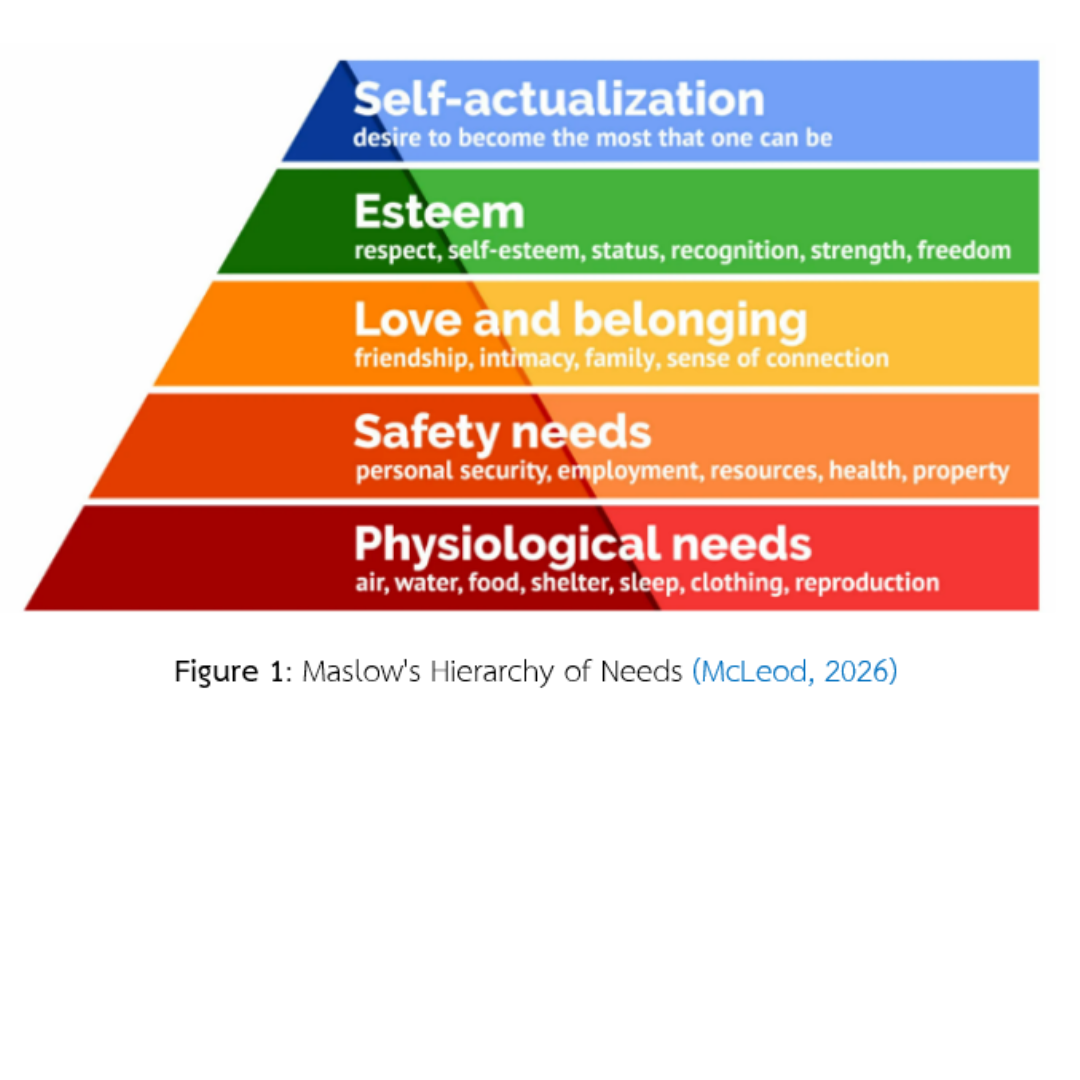
พยาบาลวิชาชีพเป็นทรัพยากรบุคคลที่สำคัญกลุ่มหนึ่งขององค์การสุขภาพ ซึ่งมีจำนวนมากที่สุด คือ ประมาณร้อยละ 78.0 ของบุคลากรสาธารณสุขทั้งหมด เป็นกลุ่มบุคคลที่สามารถสร้างสรรค์คุณภาพงานบริการ เพราะเป็นผู้ที่ปฏิบัติงานโดยตรงในการดูแลสุขภาพและให้บริการที่มีคุณภาพแก่ผู้รับบริการ ย่อมมีผลต่อความก้าวหน้า ความสำเร็จ และความอยู่รอดขององค์การ สำหรับพยาบาลรุ่นใหม่เจนเนอเรชันซี เป็นพยาบาลวิชาชีพรุ่นใหม่ที่ปฏิบัติงานในระบบสุขภาพ เป็นกลุ่มบุคคลที่เกิดช่วงตั้งแต่ปี พ.ศ. 2540 เป็นต้นไป บุคคลกลุ่มนี้เกิดในยุคที่มีการเจริญเติบโตทางเทคโนโลยีอย่างรวดเร็วและแพร่หลาย ดังนั้นการสร้างกลยุทธ์เพื่อสร้างแรงจูงใจจึงเป็นแรงผลักดันที่สำคัญอย่างหนึ่ง จากการปรับตัวในหลาย ๆ ด้าน ตลอดจนภาระงานของพยาบาลและความอดทนเพื่อบรรลุเป้าหมาย ซึ่งผลจากการทบทวนวรรณกรรม เสนอให้ใช้กลยุทธ์เชิงปฏิบัติที่มีการประยุกต์ใช้ร่วมกับทฤษฎีลำดับขั้นความต้องการของมาสโลว์ โดยนำเสนอผ่านบทบาทของผู้นำการพยาบาลซึ่งสามารถนำไปประยุกต์ในบริบทการบริหารบุคลากรในองค์กรสุขภาพได้
เอกสารอ้างอิง
Al-Moteri M. et al. (2025). The workplace expectations and preferences of Gen Z nurses: Exploratory factor analysis. BMC Nursing, 24, 1121.
Amornrojanavaravutti W. & Norrasan S. (2025). The Role of Modern Nurse Leadership in Advancing Non-Profit Professional Organizations Through Academic Networks and Innovation. Journal of Health Promotion Centre 7 Khon Kaen, 17(2), 1–12.
Baptista J. et al. (2021). Analysis of the theory of acquired needs from McClelland as a means of work satisfaction. Timor-Leste Journal of Business and Management, 3(2), 54–59. https://doi.org/10.51703/bm.v3i2.48
Barnard, C. I. (1966). The function of the executive. Cambridge, Massachusetts: Harvard University Press.
Barsala S. & Parncharoen C. (2024). Work-Life Balance Affecting the Well-Being in Modern Organizations of Working-Age Gen Z In Bangkok. Suthiparithat Journal, 38(3), 65–79.
Bureau of Nursing, Office of the Permanent Secretary, Ministry of Public Health. (2017). Succession planning guidelines for the nursing profession based on the principles of good governance. Nonthaburi: Ministry of Public Health. https://www.don.go.th/?download=1330
Dollard J. & Miller N.E. (1950). Personality and Psychotherapy: An Analysis in Term of Learning Thinking and Culture. New York: McGraw-Hill Book Company.
Karashchuk O.S. et al. (2020). The Method for Determining Time-Generation Range. SAGE Open, 10(4), 1–8. https://doi.org/10.1177/2158244020968082
Lertwilai, W. (2020). Job Burnout and Related Factors Among Medical Technologists, Bangkok, [Thesis of Master of Science in Mental Health Department of Psychiatry]. Faculty of Medicine: Chulalongkorn University. https://digital.car.chula.ac.th/chulaetd/3915
McLeod, S. (2026, January 8). Maslow’s hierarchy of needs. Simply Psychology. https://www.simplypsychology.org/maslow.html
Nursing Division, Nakhon Pathom Rajabhat University. (2018). Roles and responsibilities of professional nurses. http://nurse.npru.ac.th/system/20190113191522_a0a9ca0b2dc8a20555739e94e6ab03dc.pdf
Saengcharnchai U. & Clinic P. (2025). Nurses in Digital Era (Beautiful, Rich, Happy) and Integrating the Principles of Iddhipadadhamma to Promote Happy Working and Sustainable Success. Academic Graduate Journal, 3(1), 96-105.
Saenung S. & Oumtanee A. (2020). How to Communicated in Generation Z Nurses. Journal of The Royal Thai Army Nurses, 21(2), 286-294.
Sawaengdee, K. (2017). Crisis of Nursing Shortage in Health Service Facilities Under Office of Permanent Secretary, Ministry of Public Health: Policy Recommendations. Journal of Health Science, 26(2), 456-468.
Skinner, B. F. (1948). “Superstition” in the pigeon. Journal of Experimental Psychology, 38(2), 168–172. https://doi.org/10.1037/h0055873
Sriyospong C. et al. (2024). Transformational Leadership and Generation Z Nurses’ Retention. NU Journal of Nursing and Health Sciences, 18(1), 1–13.
Thailand Nursing and Midwifery Council. (2018, February 26). Nursing Council announcement on policy regarding manpower in the nursing team. Thailand Nursing and Midwifery Council. https://www.tnmc.or.th/images/userfiles/files/003(1).pdf
Wongsaree C. et al. (2023). Experience of Nursing Administration of Nursing Department Toward Generation Z Nurses at Private Hospitals in Thailand. Journal of Health and Health Management, 9(1), 59–72.
Yongchaiyoot P. & Arannapoom V. (2024). Strategies for Developing Nursing Leadership in the 21st Century. Vajira Nursing Journal, 26(2), 136–150.
ดาวน์โหลด
เผยแพร่แล้ว
วิธีการอ้างอิง
ฉบับ
บท
การอนุญาต
ลิขสิทธิ์ (c) 2026 วารสารสาธารณสุขมูลฐาน (ภาคตะวันออกเฉียงเหนือ)

This work is licensed under a Creative Commons Attribution-NonCommercial-NoDerivatives 4.0 International License.